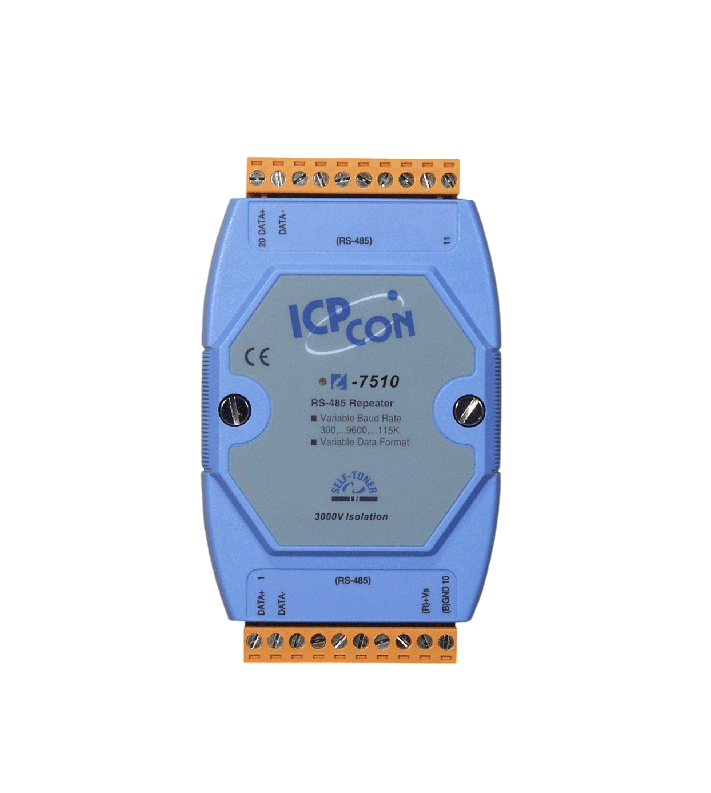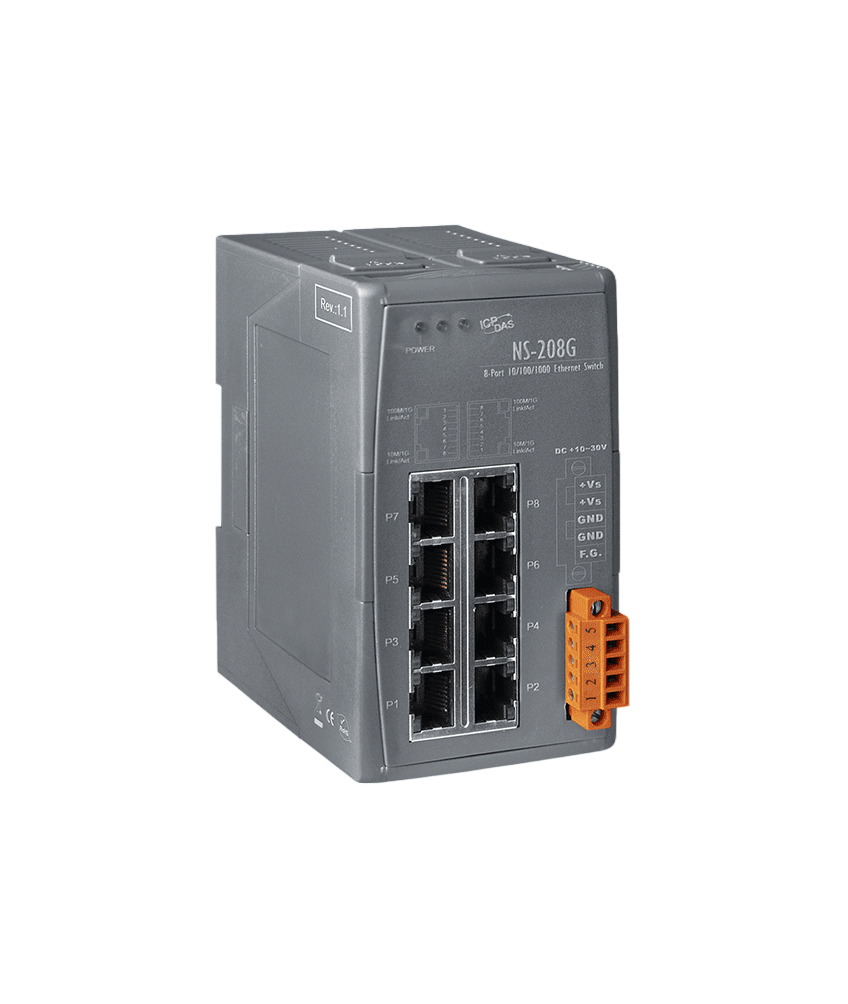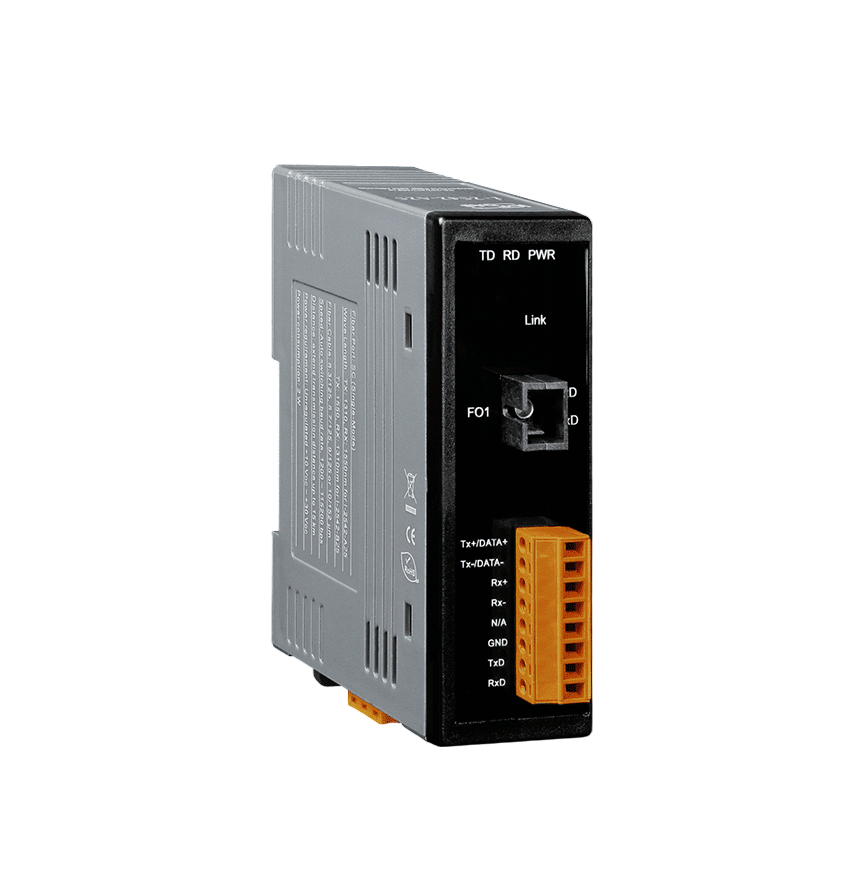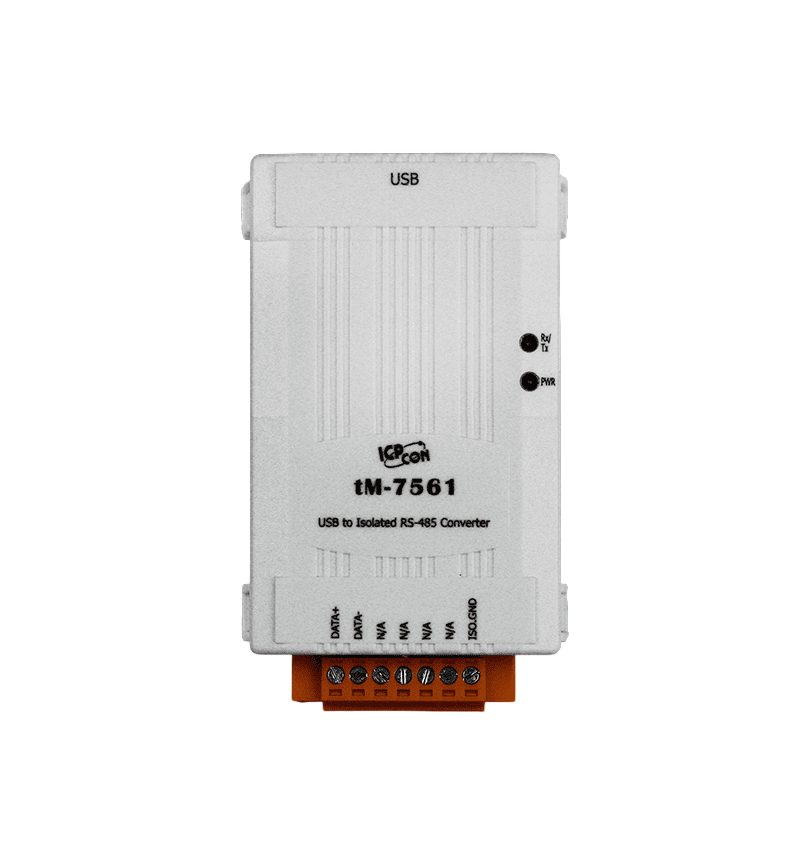
How do Industrial PC Works?
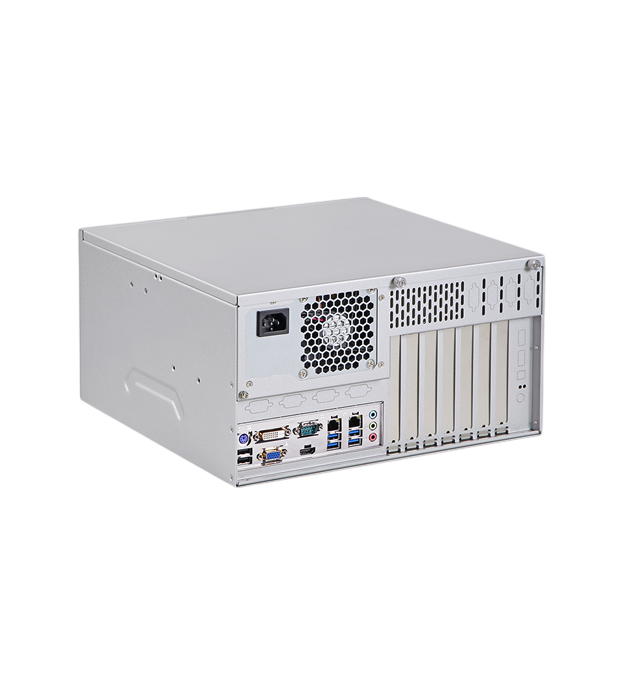
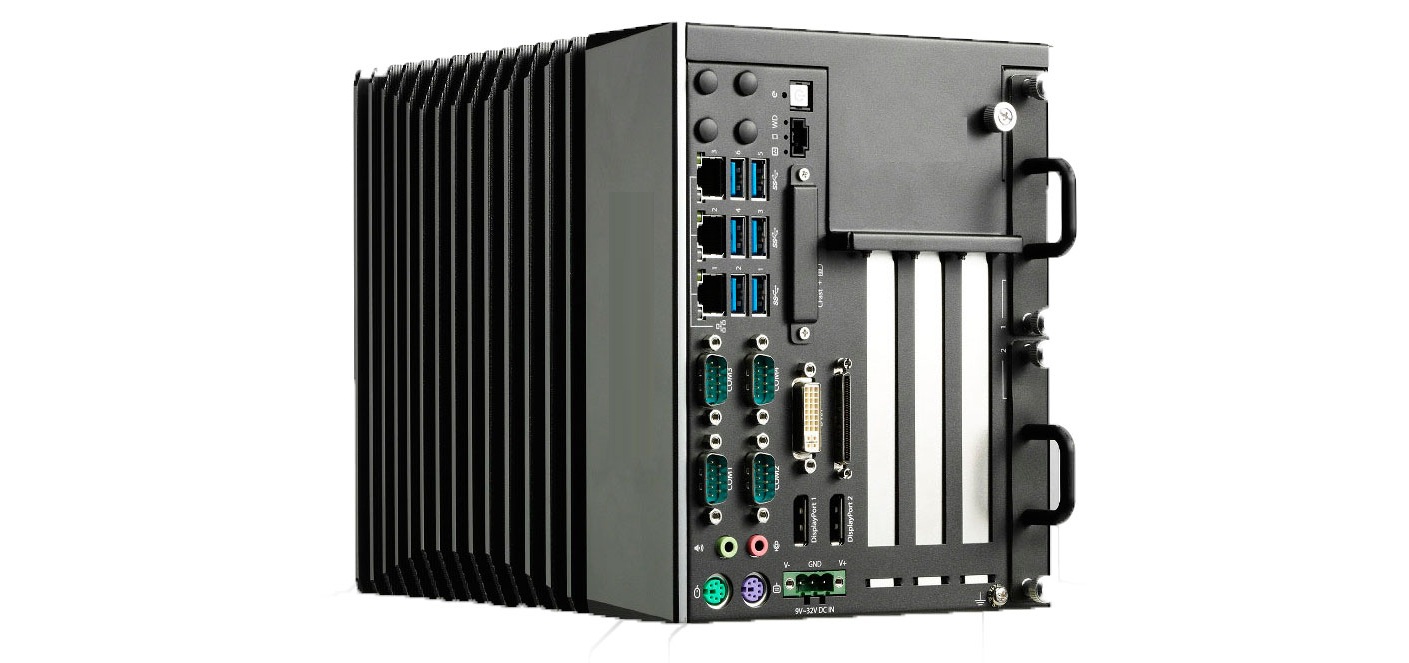
Industrial PCs (IPCs) are computers specially designed to work reliably in factories, plants, and harsh environments. Unlike normal PCs, they focus on stability, durability, and real-time control. Here’s an engaging, engineering-style explanation with clear points:
-
Input Acquisition
Industrial PCs receive input signals from machines and sensors such as temperature sensors, pressure sensors, switches, cameras, and barcode readers. -
Data Processing
The IPC processes the received data using its CPU, RAM, and operating system (such as Windows or Linux), similar to a normal computer but optimized for industrial tasks. -
Control Logic Execution
Control software or programs (like PLC logic, SCADA, or automation software) run on the IPC to analyze data and make decisions. -
Communication with Devices
IPCs communicate with other industrial devices using protocols such as Ethernet, Modbus, CAN bus, or Profibus. -
Output Control
Based on processed data, the IPC sends output signals to actuators like motors, valves, relays, or robotic arms to control industrial processes. -
Human–Machine Interface (HMI)
IPCs display real-time information on screens, allowing operators to monitor systems, change settings, and respond to alarms. -
Data Logging and Storage
The IPC stores production data, logs, and system status for monitoring, analysis, and troubleshooting. -
Continuous Operation
Industrial PCs are designed to work 24/7 in harsh environments with resistance to dust, vibration, heat, and electrical noise. -
Error Detection and Safety
IPCs detect faults or abnormal conditions and trigger alarms or safety actions to prevent damage or accidents. -
Integration with Industrial Systems
IPCs integrate with factory automation systems, cloud platforms, and enterprise software for monitoring and optimization.
Why Choose Our Industrial PCs?
 Rugged construction for harsh industrial environments
- Long lifecycle support with industrial-grade components
- Compact and space-saving form factors
- Seamless integration with automation and IoT systems
- High-performance computing for real-time operations
- Energy-efficient fanless designs
- Fully customizable configurations
Industrial PC Solutions for Automation & Manufacturing
- Industrial PCs for Automation: Designed for real-time control and high-performance industrial automation.
- Rugged Industrial PC: Reliable computing for extreme temperatures, vibration, and dusty environments.
- Fanless Industrial PC: Ideal for maintenance-free operation in harsh conditions.
- Embedded Industrial PC: Compact systems for machine-level integration.
- Industrial Panel PC: Touch-enabled HMIs for manufacturing floors.
- Industrial Workstations: High-end computing for data processing, CAD, and machine vision.
- Industrial PC for Factory Automation: Scalable and secure solutions for smart factories.
Types of Industrial PCs
- Ruggedized Industrial PC: Built for extreme industrial conditions.
- Rackmount Industrial PC: Ideal for control rooms and server racks.
- DIN Rail Industrial PC: Space-saving automation cabinet solutions.
- All-in-One Industrial PC: Integrated display and computing.
- Touchscreen Industrial PC: User-friendly control interfaces.
- IP65 Industrial PC: Dust-tight and water-resistant systems.
- Outdoor Industrial PC: Weatherproof solutions for outdoor installations.
- High-Performance Industrial PC: Advanced CPUs and GPUs for AI and vision applications.
Leading global brands like Dell rugged computers ,Siemens industrial PCs, , https://www.advantech.com , are widely used across industries in India for reliable and high-performance computing.
Applications of Industrial PCs
- Machine Vision: Real-time image processing and quality inspection.
- Process Control: Monitoring and optimizing industrial processes.
- Industrial IoT: Data acquisition and edge computing.
- Robotics: Precise control of automated machinery.
- SCADA Systems: Supervisory control and data visualization.
- HMI Solutions: Operator interaction with machines.
- Smart Factory: Backbone of Industry 4.0 ecosystems.
Key Features of Our Industrial PCs
| Feature | Description |
|---|---|
| Intel / AMD Processors | High-performance CPUs for industrial workloads. |
| Multiple I/O Ports | USB, LAN, HDMI, RS232/485, GPIO, and fieldbus support. |
| Industrial Storage | Rugged SSDs for reliability and speed. |
| Operating System Support | Windows 10/11, Windows IoT, Linux. |
| PoE & Industrial Protocols | Supports Modbus, OPC UA, EtherCAT, Profinet. |
Industrial PC Buying Guide
- Define application requirements
- Evaluate environmental conditions
- Select appropriate CPU, RAM, and storage
- Check I/O and protocol compatibility
- Choose mounting type and enclosure
- Ensure long lifecycle and certifications
Conclusion
The future of industrial computing is driven by Industry 4.0, automation, and IoT, making reliable and rugged Industrial PCs essential. Plexon delivers high-quality, customizable industrial PC solutions that ensure long-term reliability, scalability, and performance. Choosing Plexon means investing in future-ready technology that enhances productivity and operational resilience.
FAQs
Q1: How is an Industrial PC different from a desktop PC?
Industrial PCs are rugged, support wide temperature ranges, and are designed for 24/7 operation.
Q2: Which operating systems are supported?
Windows IoT, Windows 10/11 Industrial, Linux, and RTOS.
Q3: What is the typical lifespan of an Industrial PC?
Industrial PCs generally last 7–15 years with long lifecycle support.
Q4: What should I consider before buying an Industrial PC?
Application type, environment, performance, I/O, certifications, and lifecycle.